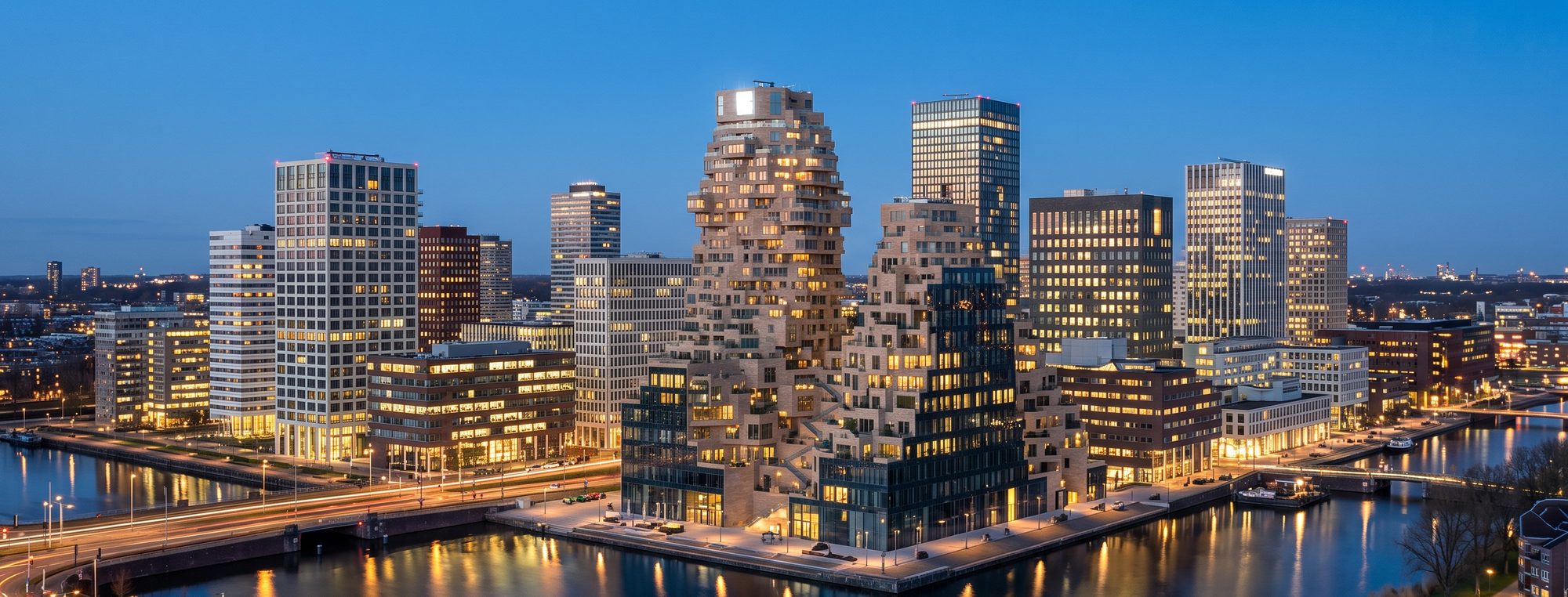

Building AI needs a data centre. Using it does not.
It can now run in the workplace, on Allodial Furnaces sized to the power a building already has.
Copenhagen · 1987
Europe has done this before.
In September 1987 fifteen national operators met in Copenhagen and each signed their own page of a single agreement. It committed them to a pan-European digital network by 1991. Vodafone's chairman later called it the most important document in the history of the mobile phone.
What it committed them to was not scale. Analogue mobile ran on few high-power transmitters. Cellular replaced them with many small cells, sited where people already were. The network went to the user, and the manufacturers who built to that standard became Ericsson and Nokia.
AI is at the same point now. The models are built. What remains is putting them to work. In the workplace.
That unit is the Allodial Furnace: a machine sized to the power a building already has, sited where the work happens, rejecting its heat into a loop the building already runs.
02
Two thirds
Share already reached in 2026, up from one third in 2023.
Deloitte
03
93.3 GW
AI inference demand in 2030, from 20.9 GW in 2025.
McKinsey
Gate one · Permit
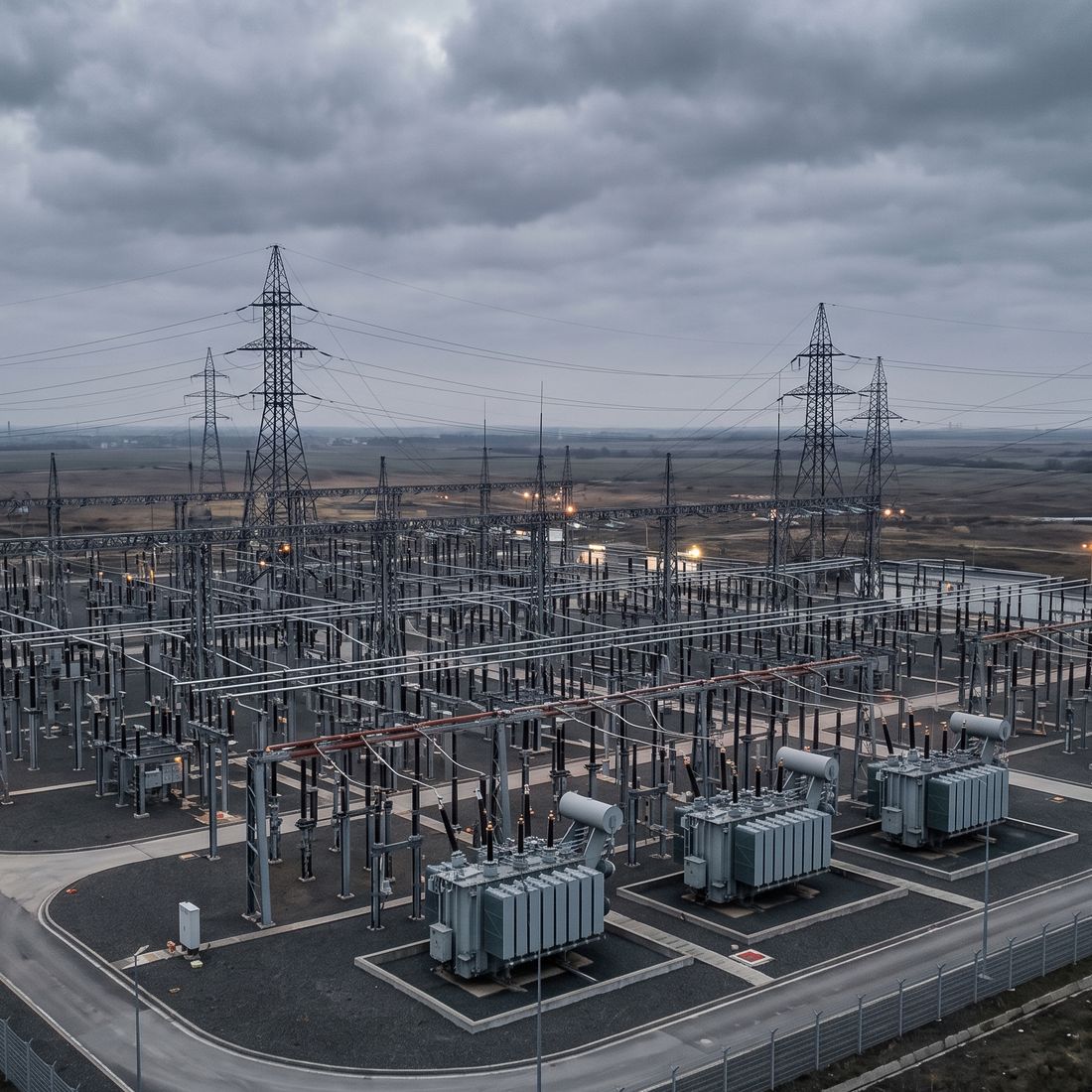
Transmission is the constraint.
A facility builds in 18 to 24 months. In Frankfurt, London, Amsterdam, Paris and Dublin it then waits seven to ten years for a connection.
Transmission, a connection request and a new hall are the same problem wearing three costumes. Each one ends at a utility queue measured in years. The Furnace never enters it, because the power it runs on is already in the building.
Nine months to energize, then six years of compute while the queue is still moving. Seven years is five model generations, and a building that waits for a connection spends that entire span holding permits.

The substrate
Class A commercial buildings already carry the power.
Training needs every chip on one fabric. Inference does not.
A node rejects its heat into the building water loop at around forty degrees. Winter outdoor air sits near zero, so a heat pump drawing from that loop rather than from the weather runs at a coefficient of performance in the four to six band instead of two to three, and it does so in the season when heat demand peaks.
In an occupied Northern European building, the heat it sheds is heat the building would otherwise buy, which satisfies the national reuse obligation without a district heating offtaker. Where the building carries a borefield the ground loop takes the same rejection year round, and where it carries neither, a dry cooler does. The thermal route is a siting decision.
Gate two · Build
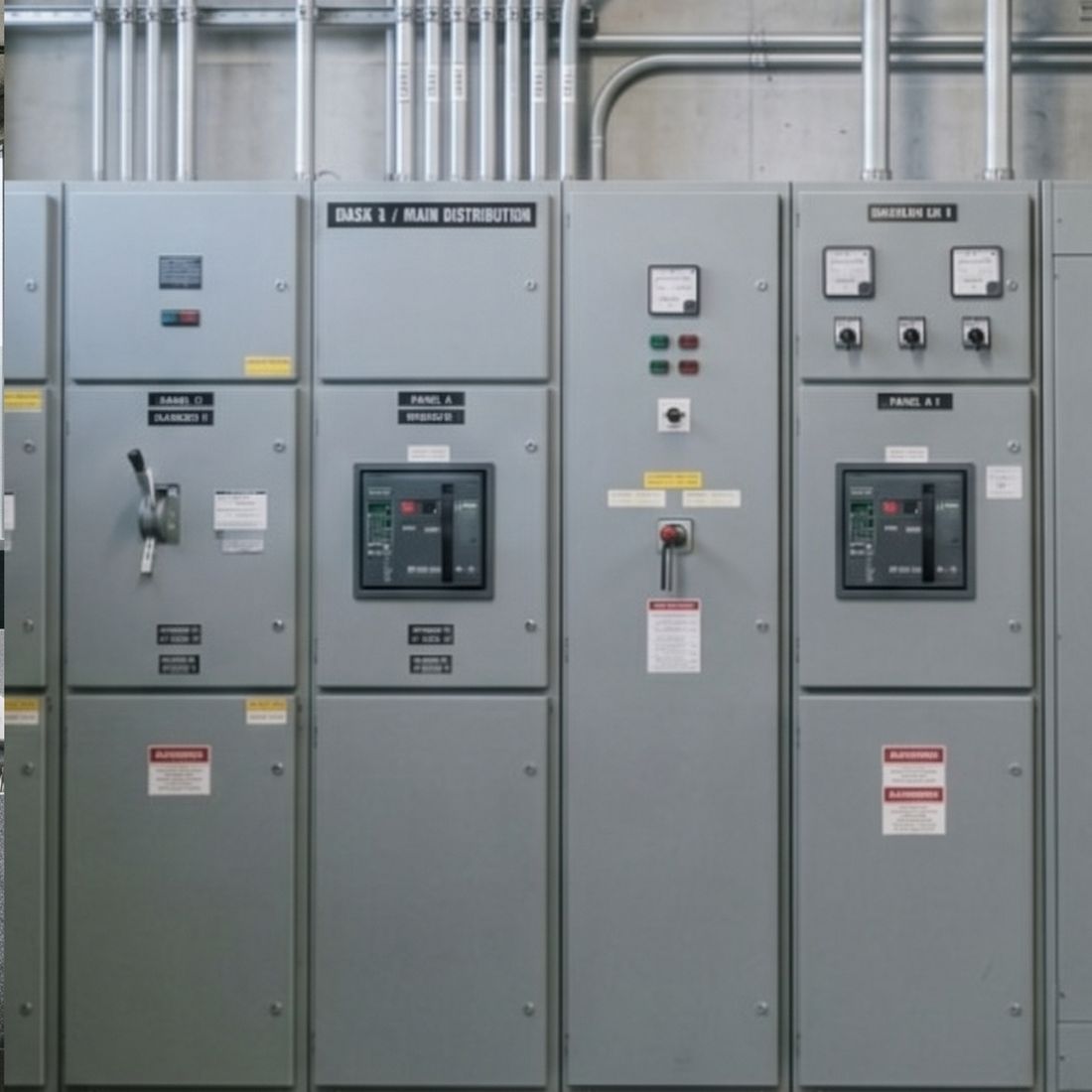
The capacity is committed. It arrives after 2030.
Italy holds more than 50 gigawatts of data centre connection requests across more than 300 projects. Denmark's data centre queue reaches 14 gigawatts against a national peak demand of seven.
Two gigawatts is twenty percent of European data centre load, sited in buildings that already stand and running before the queue clears. The pipeline still arrives. Europe meets it already operating.
Gate three · Run
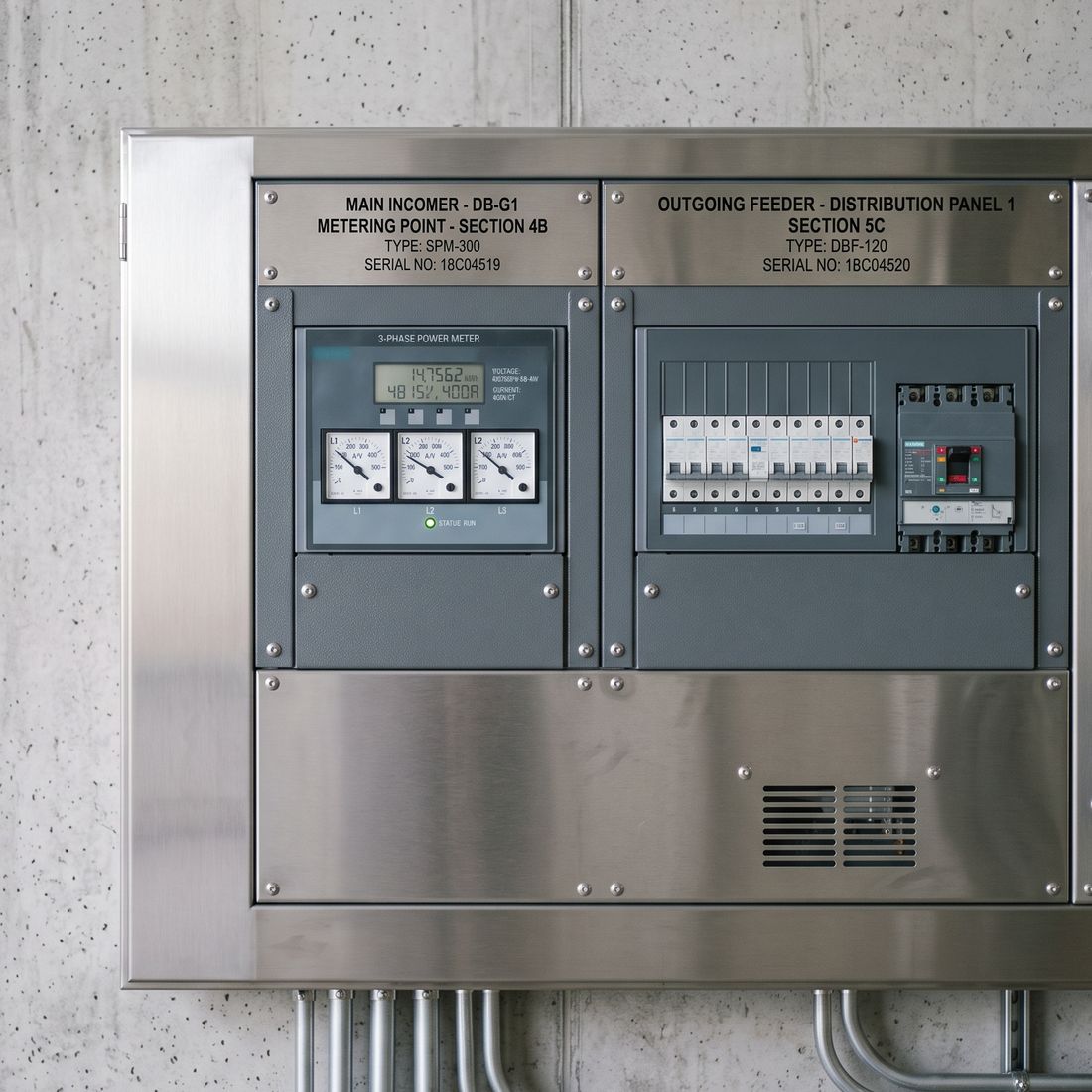
Fund the parallel track from the committed envelope.
The halls proceed unchanged. Redirect a defined percentage of committed AI infrastructure budget to capacity that energizes inside the current parliamentary term, as insurance against queue slippage.
Every node reports into the European Database on Data Centres regardless of threshold, and utilization and cost per delivered token are published as measured. The evidence accumulates in public, and the programme scales on it.
A technical due-diligence packet is available on request.
For more information, please contact us. Full data room access is available to qualified entities.